King’s Day in the Netherlands: what is actually going on?
If you arrive in the Netherlands around late April, one thing becomes very clear very quickly.
Everything turns orange.
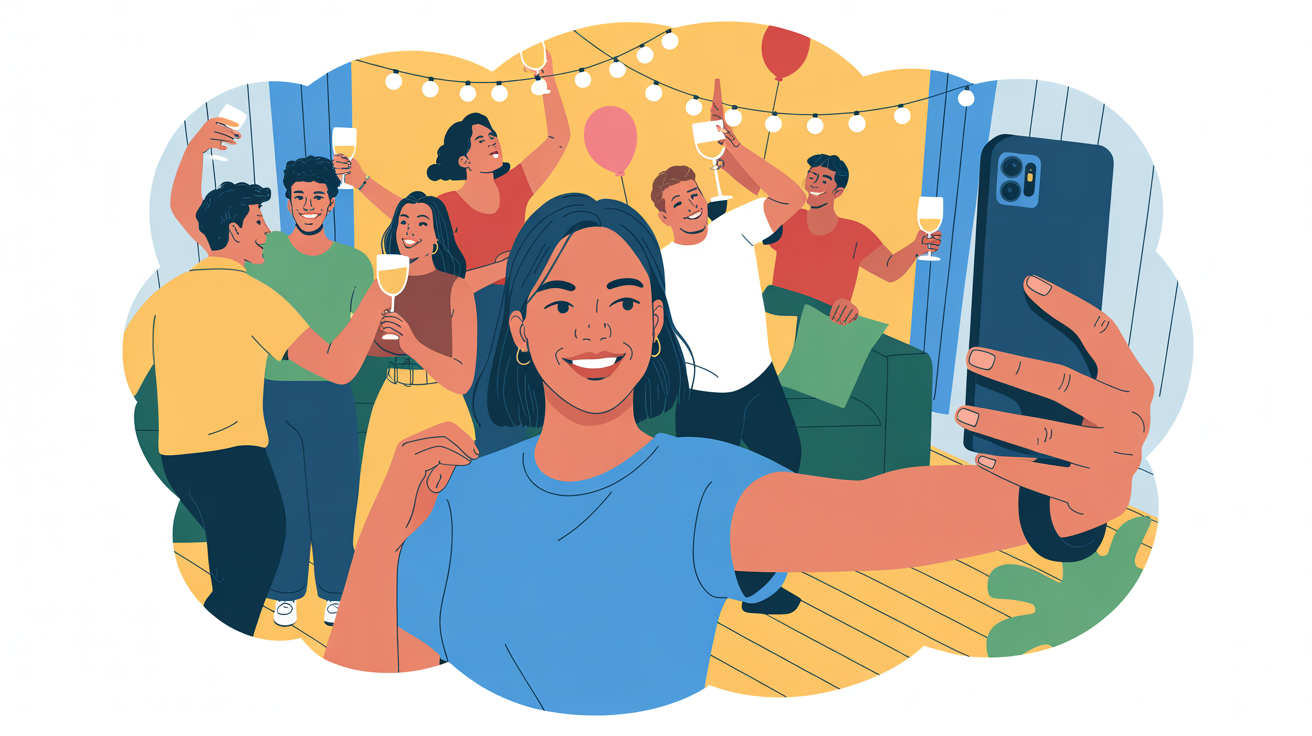
People wear orange shirts, orange hats, orange wigs. Streets are full. Music is everywhere. Kids are sitting on blankets selling toys. Adults are drinking beer at 10 in the morning. Boats are packed. Parks look like festivals.
And if you ask what people are celebrating, the answer is usually:
“The king.”
Technically correct. But not the full story.
So what are people really celebrating?
King’s Day is the birthday of King Willem Alexander.
But most people are not celebrating him personally.
What they are really celebrating is:
- being outside together
- the start of spring
- a day where everyone does roughly the same thing
It is one of the few days in the Netherlands where there is a clear social script.
You don’t have to think about what to do.
You just go outside.
Why is everything orange?
Orange comes from the Dutch royal family, the House of Orange.
But in daily life, it means something else.
It means:
“I’m part of this today.”
That’s it.
It is less about nationalism, and more about joining the moment.
You will see people who never wear bright colors suddenly fully dressed in orange. Not because they care deeply about the monarchy, but because that is how you participate.
Do Dutch people actually care that much about the king?
Not in the way you might expect.
King’s Day is not a serious or formal celebration.
It is:
- informal
- playful
- slightly chaotic
People wear ridiculous outfits. They joke. They drink. They walk around without a plan.
It is more like a national street festival than a royal ceremony.
Why does everyone go all in on this day?
Because everything comes together.
- It’s one of the first big outdoor days of the year
- Everyone is off
- The whole country is doing something similar
- There is no pressure to do it “right”
That combination is rare.
And when it happens, people lean into it.
What is the “vrijmarkt” (free market)?
This is one of the most unique parts of King’s Day.
For one day, people can sell things on the street.
No shop. No setup. Just a blanket on the ground.
You will see:
- kids selling old toys
- people selling random household items
- small games or performances
- musicians trying to earn a few euros
It is messy, a bit chaotic, and very Dutch.
It also says a lot about the culture.
Low barrier. Practical. Everyone can join.
Why do people eat tompouce?
Because it’s easy.
And because it’s orange.
The tompouce is a classic Dutch pastry. Around King’s Day, it gets an orange top layer.
That’s enough to turn it into a tradition.
Like many Dutch habits, it is simple and repeatable.
You don’t need to plan anything. You just buy one and you’re part of it.
Our tip is buy one from a baker, preferably where there is a line.
What is King’s Night?
The evening before King’s Day.
In many cities, this is when things already start.
Bars are full. Events are planned. Music is everywhere.
If you only go out on the day itself, you miss part of the experience.
What should you actually do on King’s Day?
Depends on what you want.
If you want the real Dutch experience
- go out during the day
- walk through a neighborhood vrijmarkt
- buy something small
- eat a tompouce
- just observe
This is the most “authentic” version.
If you want energy and crowds
- go to a big city
- follow the crowds
- expect music, boats, and packed streets
What people often underestimate
- how busy it gets
- how early things start
- how unstructured it can feel
It is not a neatly organized event.
It is thousands of small things happening at the same time.
A simple checklist
- wear something orange
- go outside early
- bring a card and some cash
- pick one area and stay there
- don’t overplan
What King’s Day tells you about the Netherlands
If you want to understand Dutch culture, this day is actually very useful.
You see:
- how people use public space
- how informal things can be, even with rules
- how traditions don’t need to be complicated
It is a mix of structure and chaos.
And that combination comes back in many parts of life here.
FAQ
Latest from our blog